
High Blood Pressure in Manitoba: What Every Resident Needs to Know
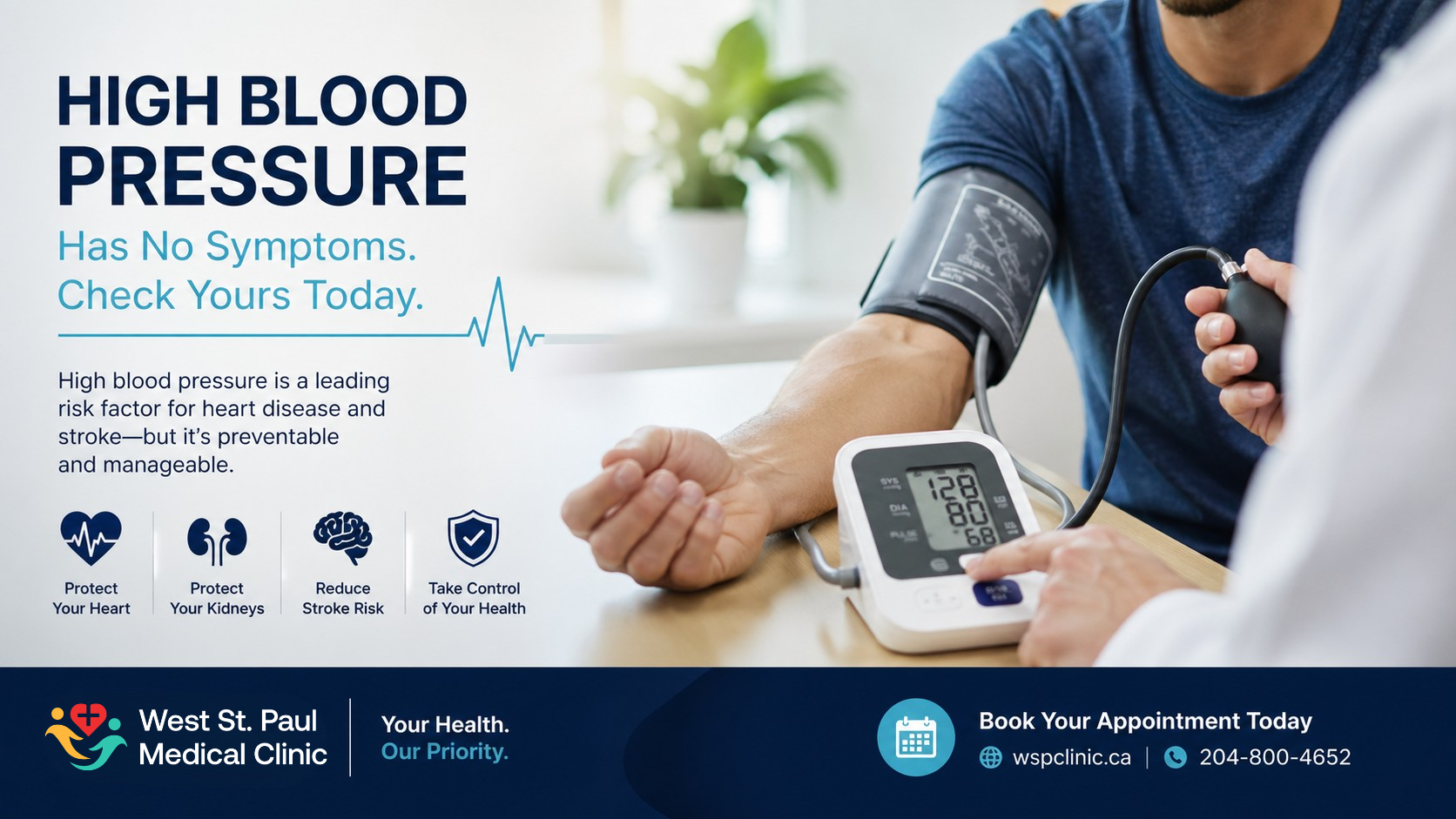
High blood pressure — also called hypertension is one of the most common and dangerous health conditions affecting Canadians. What makes it particularly concerning is that most people have no symptoms at all.
You can feel completely fine and still have dangerously elevated blood pressure quietly damaging your heart, kidneys, and blood vessels.
According to Statistics Canada, hypertension affects nearly one in four Canadian adults aged 20 to 79 years. In absolute terms, the Heart and Stroke Foundation of Canada estimates that almost eight million Canadians are currently living with high blood pressure. With Manitoba’s population growing and aging, the numbers locally are on the rise.
Why Manitoba Residents Face Elevated Risk
Manitoba carries a disproportionately high burden of chronic disease compared to many other provinces. According to Statistics Canada’s 2024 Health of Canadians report, Manitoba had one of the highest prevalence’s of chronic disease in the country, with 49.4% of residents living with at least one chronic condition, compared to the national average of 46.1%. High blood pressure is among the most common of those conditions.
Research published in Canadian medical literature notes that First Nations and Metis populations in Manitoba face even higher hypertension rates, with incidence reaching 35% and 28% respectively, compared to the provincial average of approximately 20%.
Additionally, communities with mixed rural and suburban characteristics, like West St. Paul, tend to have higher rates of chronic disease risk factors, including physical inactivity and dietary patterns that contribute to elevated blood pressure over time.
What Causes High Blood Pressure?
Blood pressure rises when the force of blood pushing against artery walls is consistently too high. Contributing factors include:
- High sodium intake from processed and restaurant foods
- Physical inactivity, which is common in colder climates like Manitoba
- Excess weight, particularly around the abdomen
- Chronic stress and poor sleep
- Family history and genetics
- Smoking and excessive alcohol consumption
- Age, as blood vessels naturally stiffen over time
Many of these factors are modifiable, which means that lifestyle changes combined with appropriate medical care can make a significant and measurable difference.
The Consequences of Unmanaged Hypertension
Left untreated, high blood pressure dramatically increases the risk of serious health events. Hypertension is the leading modifiable risk factor for stroke, heart attack, kidney failure, and heart disease. The annual economic cost associated with high blood pressure in Canada is estimated at $13.9 billion, reflecting both direct healthcare costs and lost productivity.
The good news is that when hypertension is detected early and managed properly, the vast majority of complications can be prevented or significantly delayed.
When and How Often Should You Check Your Blood Pressure?Blood pressure screening recommendations for adults in Canada are as follows:
- Adults 18 and older with no known risk factors: at least every two years
- Adults with risk factors such as obesity, diabetes, or a family history of hypertension: annually or as directed by your physician
- Adults 40 and older: every one to two years at minimum
A blood pressure reading consists of two numbers: systolic pressure (the pressure when your heart beats) over diastolic pressure (the pressure between beats). A normal reading is generally below 120/80 mmHg. Readings consistently at or above 130/80 mmHg are considered elevated and warrant medical attention.
What You Can Do Starting Today
Managing blood pressure starts with daily habits. Your physician may recommend:
- Reducing sodium intake to less than 2,000 mg per day
- Increasing physical activity to at least 150 minutes of moderate exercise per week
- Following the DASH diet, which is rich in fruits, vegetables, whole grains, and low-fat dairy
- Limiting alcohol consumption
- Quitting smoking
- Managing stress through proven techniques including exercise, sleep, and mindfulness.
For many patients, medication is also an important and effective part of treatment. There are several well-established classes of blood pressure medications, and your family doctor can help determine which approach is right for your individual situation.
Talk to Your Family Doctor at WSP Clinic
At West St. Paul Medical Clinic, our physicians routinely screen for high blood pressure and work with patients on personalized prevention and management plans. Whether you have a family history of heart disease, are managing your weight, or simply want to know your numbers, we are here to help.
Book your appointment today at wspclinic.ca or call 204-800-4652.